
What Are Carbon Credits?
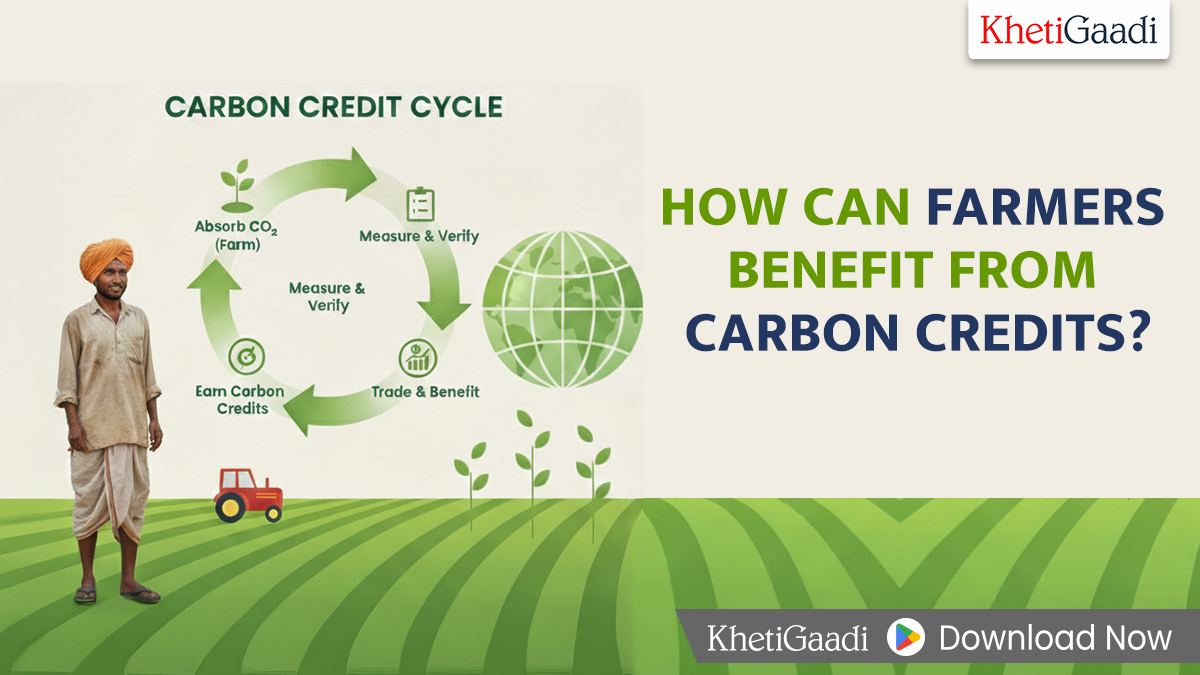
Carbon credits sound complicated at first, almost like something meant only for scientists or big corporations. But the truth is, they’re much simpler than they seem and farmers are right at the center of this growing opportunity. At its core, a carbon credit represents one metric ton of carbon dioxide (CO₂) that has either been removed from the atmosphere or prevented from being released. Think of it like a digital receipt that proves you’ve done something good for the climate.
Here’s where it gets interesting. Companies around the world are under pressure to reduce their carbon emissions. Some can’t cut emissions fast enough, so they buy carbon credits from others who can. Farmers, with their land, soil, crops and livestock, are in a unique position to reduce and store carbon naturally. That means your everyday farming practices when done a little differently—can turn into a new income stream.
Carbon credits are traded in what’s known as carbon markets. These markets work much like crop markets. You produce something valuable (carbon reduction), get it verified and sell it to buyers who need it. The difference? Instead of grain or vegetables, you’re selling environmental impact.
What makes carbon credits especially appealing for farmers is that they don’t require giving up your land or changing your entire operation overnight. In many cases, it’s about improving practices you may already be considering like reducing tillage, planting cover crops or improving grazing management. Over time, these changes not only earn credits but also improve soil health, water retention and long-term productivity.
In simple terms, carbon credits turn good farming into good business. You’re rewarded for farming in a way that benefits the planet, while also strengthening your operation for the future.
How Farming Practices Generate Carbon Credits
Carbon credits in agriculture are generated in two main ways: carbon sequestration and emission reduction. Understanding the difference helps farmers choose the most suitable practices.
Carbon sequestration is the process of pulling carbon dioxide from the atmosphere and storing it in plants and soil. Healthy soils rich in organic matter can store large amounts of carbon for long periods. Practices like cover cropping, no-till farming and diverse crop rotations increase this storage capacity.
Emission reduction focuses on lowering the amount of greenhouse gases released into the atmosphere. This can include reducing fuel use through less tillage, optimizing fertilizer application to cut nitrous oxide emissions or improving livestock management to reduce methane.
Soil is the real hero here. Often underestimated, soil acts like a sponge for carbon. The more biologically active and undisturbed it is, the more carbon it can hold. Farmers who build soil health are not only improving productivity they’re also creating a valuable climate asset.
Over time, these improvements become measurable. That’s where carbon credit programs step in, using science-backed methods to calculate how much carbon has been stored or emissions avoided.
Types of Carbon Credits Farmers Can Earn
Farmers can earn different types of carbon credits depending on their land use and practices.
Soil carbon credits are the most common. These are earned by increasing soil organic carbon through practices like reduced tillage, cover crops and organic inputs. The more carbon stored, the more credits generated.
Cover crop credits reward farmers for planting crops during off-seasons. These crops protect the soil, improve nutrients and actively pull carbon from the air when fields would otherwise be bare.
No-till and reduced tillage credits focus on minimizing soil disturbance. Plowing releases stored carbon back into the atmosphere, while no-till keeps it locked underground.
Agroforestry and tree-based credits come from planting trees or integrating them into farming systems. Trees store significant amounts of carbon both above and below ground, making them highly valuable in carbon markets.
Livestock and methane reduction credits are earned through improved grazing management, feed efficiency and manure handling. Since methane is a potent greenhouse gas, reducing it can generate high-value credits.
Many farmers combine multiple practices, which increases both environmental impact and earning potential.
Step-by-Step Process: How Farmers Can Earn from Carbon Credits
Step 1: Evaluate Your Farm’s Carbon Potential
Start by understanding your baseline. Soil type, climate, acreage and current practices all affect how much carbon you can store. Many programs offer digital tools or consultations to estimate potential earnings.
Step 2: Select Carbon-Friendly Farming Practices
Choose practices that fit your operation. The best carbon practices are the ones you can maintain long-term without hurting productivity.
Step 3: Enroll in a Carbon Credit Program
Most farmers work with carbon aggregators or platforms. These organizations manage enrollment, compliance and credit sales, making the process easier.
Step 4: Implement and Maintain the Practices
Consistency matters. Carbon programs usually require multi-year commitments to ensure carbon remains stored.
Step 5: Measurement, Reporting and Verification (MRV)
This step ensures credibility. Data may come from soil tests, satellite imagery and farm records.
Step 6: Sell Carbon Credits and Get Paid
Once verified, credits are sold in carbon markets. Payments may be annual or based on market prices.
Conclusion
Carbon credits offer farmers a practical way to earn additional income while improving land health and contributing to climate solutions. With the right practices and partners, carbon farming can become a reliable part of modern agriculture.
Frequently Asked Questions
- Can farmers really earn money from carbon credits?
Yes, farmers earn by adopting climate-smart practices that store carbon or reduce emissions.
- How long does it take to get paid for carbon credits?
Most farmers receive payments within 6–18 months after verification and credit approval.
- Which farming practices earn the most carbon credits?
No-till farming, cover crops, agroforestry, and methane reduction earn higher credits.
- Do small farmers qualify for carbon credit programs?
Yes, many programs aggregate small farms so even low acreage can qualify.
- Is soil testing required to earn carbon credits?
Some programs require soil tests, while others use models and satellite data.
- Can organic farmers earn more from carbon credits?
Often yes, since organic practices naturally increase soil carbon levels.
- Are carbon credit payments guaranteed?
Payments depend on verification results, market prices, and program terms.
- Can farmers combine carbon credits with subsidies?
In many cases yes, but rules vary by program and country.
- Do farmers lose land ownership by selling carbon credits?
No, farmers keep full land ownership and only sell carbon reductions.
- Is carbon farming worth it long term?
Yes, it improves soil health, resilience, and adds steady supplemental income.