In a harsh farming environment, a tractor toils every day. Grit, water, heat and long hours gradually eat at vital parts. This is the reason filters are so important. Filters keep the dirt where it belongs: out of your tractor and its systems.
Engine power and fuel get all the attention on many farms, but filters are quiet defenders. Even a small filter problem can mushroom into an expensive repair bill. Understanding tractor filters is important, as a well-kept machine will not unexpectedly break down.
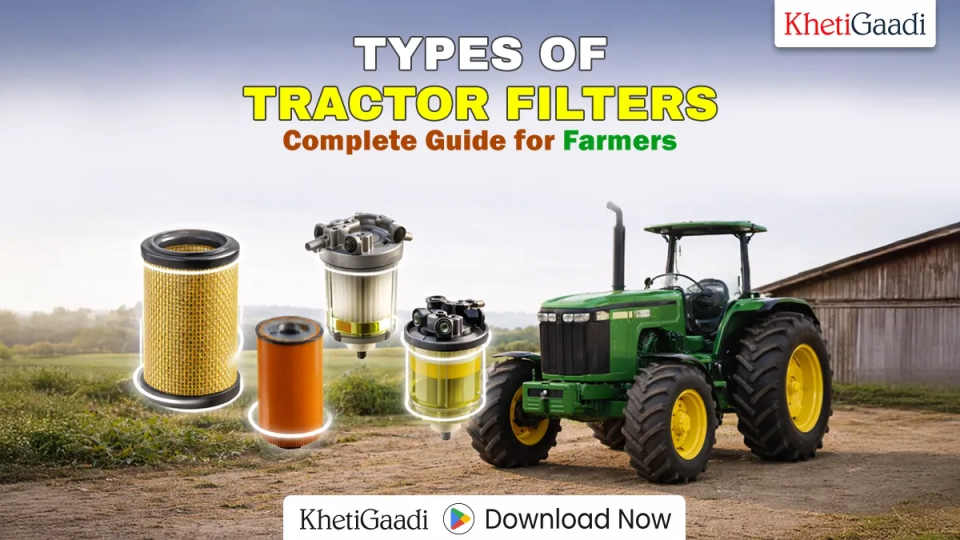
The following guide describes the large tractor filters and their subtypes in plain talk.
Why Filters Matter in a Tractor
For a tractor to run well, it requires clean air, clean fuel, and clean oil. When dirt gets into the engine, parts wear prematurely. Your car loses power, and the fuel economy goes through the roof.
Filters act like safety guards. They prevent undesired particles from reaching delicate areas.
Good filters help:
- Increase engine life
- Improve mileage
- Reduce repair cost
- Maintain power
- Prevent overheating
Oil filter maintenance is much less expensive than engine repair.
Air Filter: Protection from Dust
Tractors work in dusty fields. The air filters prevent dust and dirt from entering the engine. Without it, parts of the engine can grate against one another and lose effectiveness.
Proper airflow is aided by a clean air filter. This enhances combustion and engine power.
Sub-types of Air Filters
Dry Air Filter: This is the most common. Dust is captured by paper or synthetic material. It’s easy to change, and virtually maintenance free.
Oil Type Air Filter: This is an air filter that collects dust using oil. It’s reusable and many older tractors have it. It requires periodic cleaning and reoiling.
Dual Element Air Filter: This is a 2 stage filtration. One layer captures large particles, while the other prevents fine dust. It provides additional coverage in extremely dusty environments.
Signs of a Dirty Air Filter
- Black smoke from exhaust
- Reduced engine power
- Higher fuel use
- Rough engine sound
It is especially important to check the air filter frequently when plowing and harvesting.
Fuel Filter: Clean Fuel for Smooth Running
Fuel is not always pure. It may be filled with dirt, rust, or water. The fuel filter filters the fuel before it enters the cylinder.
Injectors and fuel pumps are ruined by dirty fuel. An obstructed fuel filter may lead to starting issues and reduced power.
Sub-types of Fuel Filters
Primary Fuel Filter: This is the first such filter. It eliminates larger contaminants and water in fuel.
Secondary Fuel Filter: This filter provides an extra fine filtering. It shields delicate fuel injectors from fine particles.
Water Separator Filter: Auxiliary Air Cleaner. This filter separates water that may be contained in the fuel. Fuel contaminated by water can corrode and damage engines.
Signs of a Clogged Fuel Filter
- Hard starting
- Engine hesitation
- Sudden power drop
- Poor mileage
Timely replacement of the fuel filter can avoid very costly repairs.
Oil Filter: Clean Oil Means Healthy Engine
Motor oil is there to lube the moving parts; it also helps keep things cool. However, oil will accumulate dirt and metal particles. The impurities are filtered out by the oil filter.
When oil remains dirty, it doesn’t lubricate as well, and engine wear happens more quickly.
Sub-types of Oil Filters
Full Flow Oil Filter: This filter removes all impure oil before it is delivered. It offers continuous protection under the most severe operating conditions.
Bypass Oil Filter: This filter cleans only a small portion of oil at a time. This dumps out ultra small particles for a deep clean.
Cartridge Oil Filter: This type is environmentally friendly. (often using replaceable filter material located inside a housing). Only the cartridge is replaced.
Oil Filter Spin-on Sealed metal canister filter. It is a simple repair and common in modern tractors.
Why Oil Filter Replacement Matters
- Keeps oil clean
- Reduces friction
- Prevents overheating
- Extends engine life
Filter and oil should always be replaced together.
Hydraulic Filter: Smooth Hydraulic Power
Raise, drive, and unload piles of dampers using various hydraulic mechanisms. Pumps and valves are destroyed by contaminated hydraulic fluid. Hydraulic filters for fluid cleanliness.
Sub-types of Hydraulic Filters
Suction Filter: Fitted ahead of hydraulic pump. Protects the pump from over size debris.
Filter Press: Mounts downstream of the pump. It sucks up the tiniest of pieces under pressure.
Return Line Filter: This filter contaminates the fluid to be returned to the hydraulic reservoir.
Hydraulic Filters: Hydraulic clean filters help prevent many system failure out in the field.
Cabin Filter: Cleaner Air for the Driver
Today, many modern tractors are enclosed. Cabin Filters: These filters purify incoming air into the cabin. They filter out dust, pollen and allergens.
Sub-types of Cabin Filters
Particle Cabin Filter: Traps dust and harmful particles.
Activated Carbon Cabin Air Filter: Eliminates odors, smoke, and fumes.
A cabin filter will clean and filter the air that you use in your vehicle, making the experience more enjoyable and healthier.
When Should Filters Be Replaced?
The service intervals are provided in the manual of each tractor. But conditions of farming are not the same everywhere. In areas that are dusty, replace sooner.
General tips:
- Inspect filters at every service
- Replace heavily dirty filters
- Follow manufacturer schedule
- Use quality filters only
Neglecting to replace it will harm the engine.
Choosing the Right Filter
Filters might be cheap now, but expensive later. Farmers are also likely to consider reputable brands, good specifications, we all know that.
Look for:
- Proper fit
- Strong filtration quality
- Trusted manufacturer
- Warranty support
A good filter preserves expensive parts of the tractor.
Simple Maintenance Habits
Small habits improve tractor life:
- Check filters regularly
- Keep spare filters ready
- Clean reusable filters
- Record service dates
- Replace on time
It is always more cost-effective to prevent than repair.
Conclusion
Filters may seem like a small part, but they safeguard the most critical systems of the tractor. Special functions of air, fuel, oil, hydraulic and cabin filters. The air filter involves cleaning air from particles before it gets into the cylinders. Their subtypes provide varying degrees of protection outdoors, depending on farm conditions.
If you are a farmer and take good care of your filter. Then the vehicles will perform better, consume less fuel, and have a longer active life. You’ll still be at it – that’s the benefit of having a well-tended machine.