
Purchasing an older tractor can be a smart and budget-friendly investment—whether you need it for regular farm work, maintaining open fields, or running a small agribusiness without heavy capital. Many used tractors remain in excellent condition and can perform almost like new machines at a fraction of the price.
However, buying a second-hand tractor also comes with risks. Hidden mechanical issues, excessive wear and tear, or incomplete service records can quickly turn a “good deal” into an expensive mistake. That’s why a detailed mechanical and legal inspection is essential before making a purchase.
Below is a comprehensive checklist of the most important things you should examine before purchasing a used tractor.
1. Engine Condition of Old Tractor
The engine is the heart of any tractor, and repairing or replacing it can be extremely costly. Ensuring the engine is in good condition can save you from major expenses later.
What to check:
- Starting power: The tractor should start quickly without excessive cranking.
- Smoke color:
- Black smoke – Indicates fuel combustion issues.
- Blue smoke – Suggests oil burning.
- White smoke – May indicate coolant leakage or injector problems.
- Engine noise: Knocking or rattling sounds may point to internal damage.
- Oil leaks: Inspect gaskets, seals, and the oil pan.
- Blow-by: Remove the oil cap while the engine is running—excessive smoke indicates worn piston rings.
A healthy engine should run smoothly, maintain steady RPM, and produce minimal vibration.
2. Transmission & Gearbox
Transmission repairs are expensive and time-consuming, making this a critical area for inspection.
- Shift through all gears during a test drive.
- Ensure gears engage smoothly without grinding noises.
- Watch for gear slippage when the tractor is under load.
- Test clutch operation—there should be no jerks or delays.
If the tractor has a dual-stage clutch, carefully test the operation of both stages.
3. Hydraulic System of Old Tractor
The hydraulic system powers essential implements like ploughs, loaders, and cultivators. Weak hydraulics can significantly reduce productivity.
- Lift a heavy implement to test hydraulic strength.
- Check for slow or jerky lifting movements.
- Inspect hydraulic oil level and quality.
- Look for leaks in hoses and cylinders.
Replacing a hydraulic pump can be expensive, so ensure pressure and control response are optimal.
4. PTO (Power Take-Off)
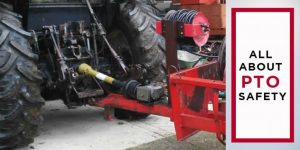
The PTO is essential for operating implements like rotavators, threshers, and sprayers.
- Engage the PTO while the tractor is running.
- Check for unusual vibrations.
- Ensure smooth and quiet rotation.
A faulty PTO shaft or clutch can reduce implement efficiency and increase maintenance costs.
5. Tyre Condition
Tyres play a major role in traction, fuel efficiency, and ride comfort.
- Check tread depth for excessive wear.
- Inspect sidewalls for cracks or cuts.
- Look for uneven wear, which may indicate axle or alignment issues.
Since tractor tyres are costly, factor their condition into the final price negotiation.
6. Brakes & Steering
Safety should never be compromised when purchasing used machinery.
- Test each brake pedal individually and together.
- The tractor should stop straight without pulling to one side.
- Excessive steering play indicates wear.
- Hard steering may signal hydraulic steering pump issues.
Responsive brakes and smooth steering are essential for both fieldwork and road travel.
7. Electrical System
The electrical system supports starting, lighting, and monitoring functions.
- Check battery condition and age.
- Test headlights, indicators, and work lights.
- Inspect wiring for damage or loose connections.
- Ensure dashboard meters (RPM, fuel, temperature) work correctly.
Even minor electrical faults can be time-consuming and costly to diagnose.
Final Thoughts
Buying a used tractor is a practical way to expand farm capacity while staying within budget—provided you inspect it thoroughly. Pay close attention to engine health, transmission, hydraulics, tyres, and legal documentation.
Always take a test drive and, if possible, bring along a trusted mechanic. A well-maintained used tractor can deliver reliable performance, sufficient power, and affordable maintenance for many years—without the heavy financial burden of buying new.